







Key Takeaways
- Customer Communication Automation streamlines customer interactions across multiple channels while improving speed and consistency.
- AI-powered automation enables personalized communication at scale without increasing manual effort.
- Automated workflows improve customer satisfaction, operational efficiency, and employee productivity.
- Integrating communication automation with CRM, ERP, and support platforms creates a seamless customer experience.
- Businesses adopting customer communication Automation are better equipped to meet evolving customer expectations and scale efficiently.
Customer expectations have evolved significantly over the past decade. Today, customers expect businesses to respond quickly, deliver personalized experiences, and communicate consistently across multiple channels. Whether it’s answering a product inquiry, sending an order confirmation, resolving a support issue, or following up after a purchase, every interaction shapes the customer experience.
However, managing these communications manually becomes increasingly difficult as businesses grow. High volumes of customer inquiries, multiple communication channels, and rising expectations can overwhelm customer service and operations teams. Delayed responses, inconsistent messaging, and missed follow-ups not only impact customer satisfaction but can also result in lost revenue and reduced brand loyalty.
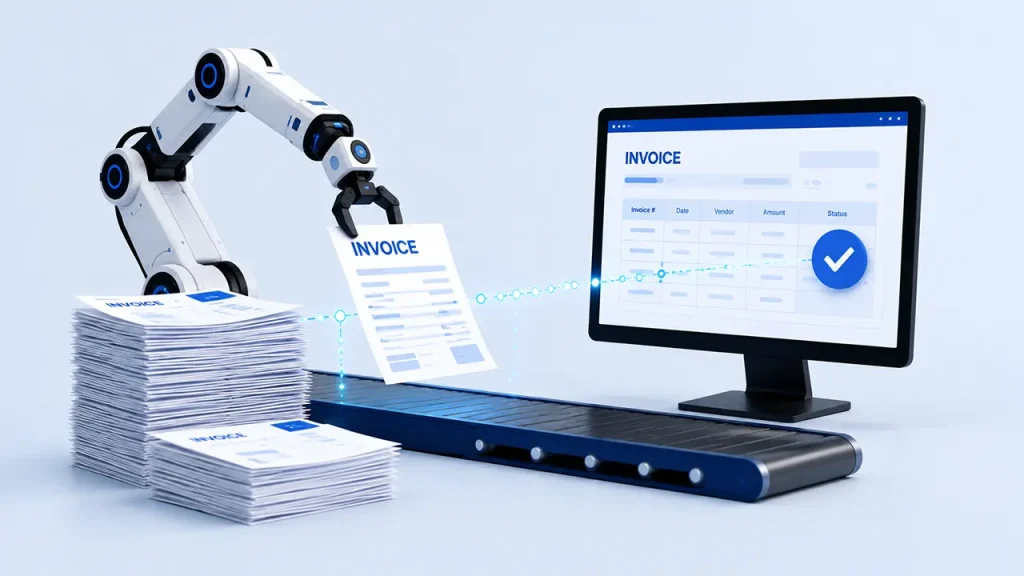
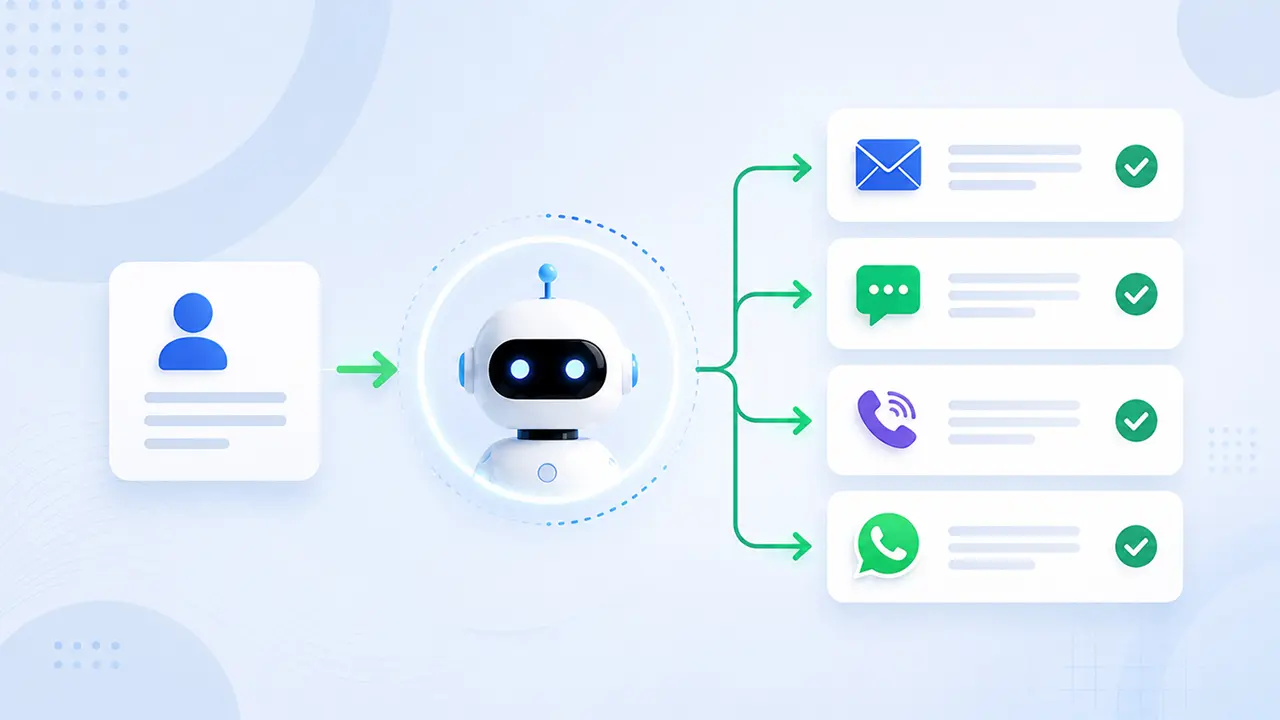
This is where customer communication automation transforms business operations. By automating repetitive communication tasks using artificial intelligence (AI), workflow automation, and omnichannel messaging platforms, businesses can deliver timely, accurate, and personalized communications at scale. Instead of spending valuable time on routine interactions, employees can focus on resolving complex customer issues and building stronger relationships.
What Is Customer Communication Automation?
Customer communication automation refers to the use of intelligent technologies to automate customer interactions across multiple communication channels while maintaining personalization, consistency, and responsiveness.
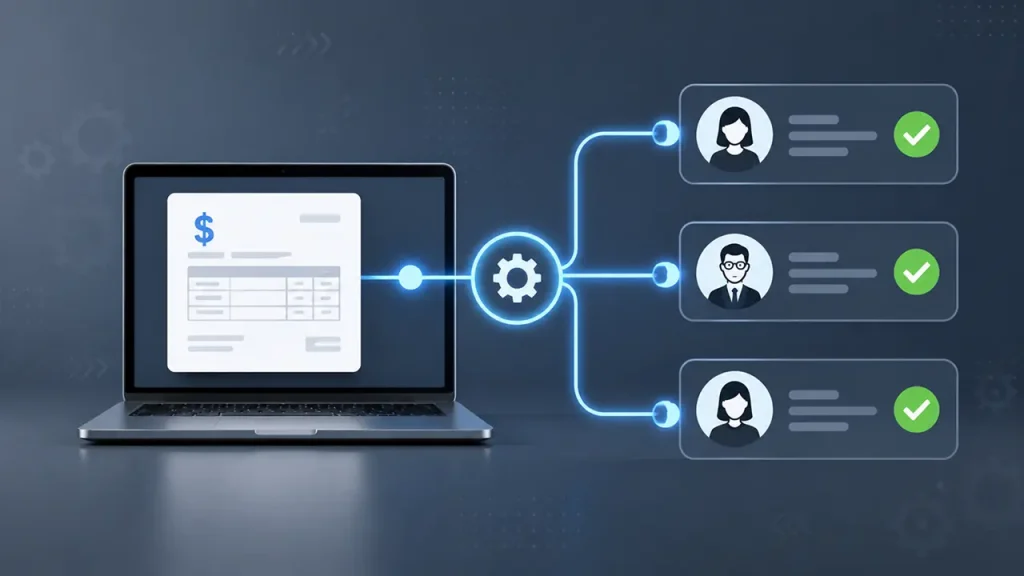
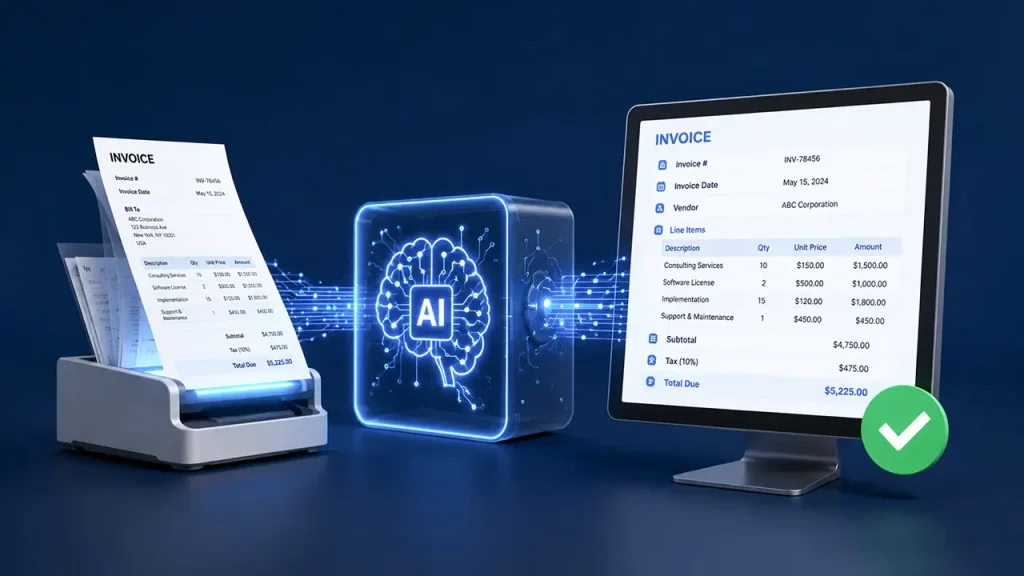
Instead of manually sending emails, SMS messages, notifications, appointment reminders, invoices, or support updates, businesses use automation platforms to trigger communications based on customer behavior, business events, or predefined workflows.
Modern Customer Communication Automation solutions leverage technologies such as:
- Artificial Intelligence
- Robotic Process Automation
- Workflow Automation
- Customer Relationship Management integration
- Natural Language Processing
- Chatbots and Virtual Assistants
These technologies help businesses deliver the right message to the right customer at the right time with minimal manual effort.
Why Businesses Need Customer Communication Automation
As organizations expand, customer communication becomes increasingly complex. Managing thousands of interactions manually creates operational bottlenecks and increases the risk of poor customer experiences.
Some of the biggest challenges include:
1. High Communication Volumes
Businesses receive inquiries through email, phone, websites, social media, mobile apps, and messaging platforms. Responding manually to every interaction is both time-consuming and costly.
2. Delayed Response Times
Customers expect immediate responses. Slow replies can reduce satisfaction, increase churn, and negatively impact brand reputation.
3. Inconsistent Messaging
Different teams may communicate differently, leading to inconsistent information, compliance risks, and customer confusion.
4. Limited Personalization
Manual communication makes it difficult to personalize messages based on customer history, preferences, or previous interactions.
5. Resource Constraints
Growing communication volumes often require hiring additional customer service representatives, increasing operational expenses without necessarily improving efficiency.
Customer communication automation addresses these challenges by creating standardized, intelligent, and scalable communication workflows.
How Customer Communication Automation Works
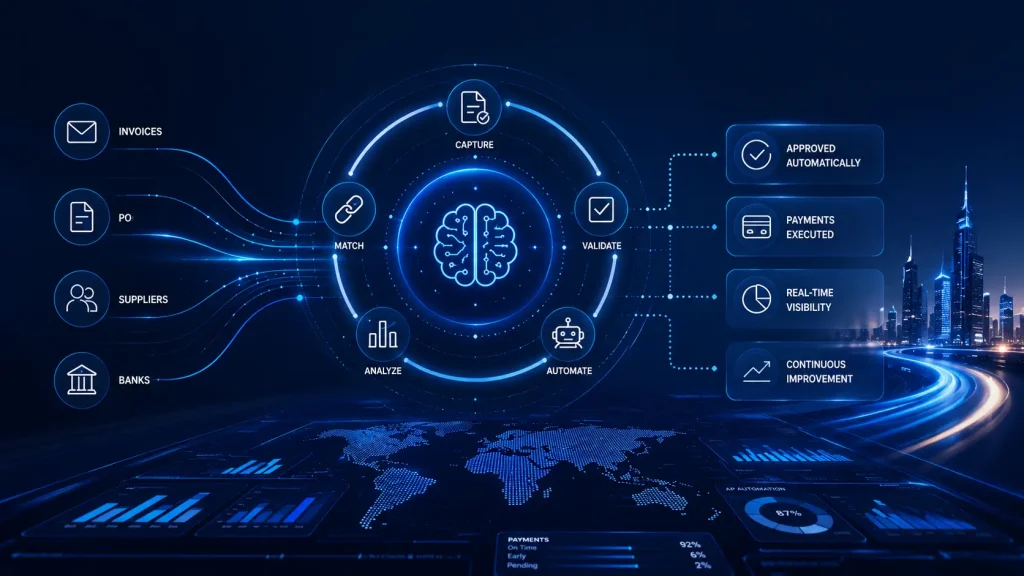
Modern platforms for customer communication automation combine AI, business rules, and workflow orchestration to automate interactions throughout the customer journey.
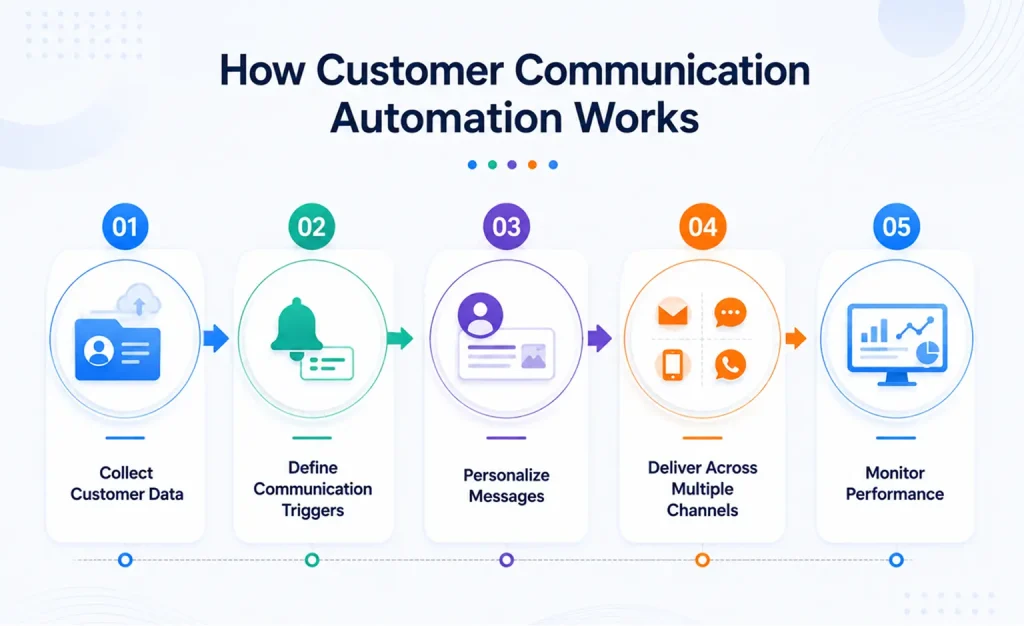
1. Collect Customer Data
The platform integrates with systems such as:
- CRM platforms
- ERP systems
- Customer support software
- Marketing automation tools
- E-commerce platforms
- Billing systems
This provides a complete view of every customer.
2. Define Communication Triggers
Businesses create workflows that automatically initiate communication when specific events occur, such as:
- New customer registration
- Order confirmation
- Invoice generation
- Payment reminders
- Appointment scheduling
- Shipping updates
- Support ticket creation
No manual intervention is required once the workflow is configured.
3. Personalize Messages
AI dynamically customizes communications using customer information, including:
- Customer name
- Purchase history
- Location
- Preferred language
- Product preferences
- Account status
This creates highly personalized experiences without manual effort.
4. Deliver Across Multiple Channels
Customer communication automation supports omnichannel communication through:
- SMS
- Mobile notifications
- Live chat
- Social media messaging
- Voice notifications
Customers receive messages through their preferred communication channel.
5. Monitor Performance
Analytics dashboards measure communication effectiveness through metrics such as:
- Open rates
- Click-through rates
- Response times
- Customer satisfaction scores
- Resolution times
- Conversion rates
Businesses continuously optimize workflows using these insights.
Key Benefits of Customer Communication Automation
Organizations implementing customer communication Automation gain significant operational and customer experience advantages.
1. Faster Response Times
Automation enables businesses to respond instantly to customer inquiries, confirmations, and notifications, improving customer satisfaction and reducing wait times.
2. Consistent Customer Experience
Every customer receives standardized, accurate communication regardless of which department initiates the interaction. This strengthens brand consistency and reduces communication errors.
3. Improved Personalization
AI-powered automation delivers personalized communications based on customer behavior, preferences, and transaction history. Personalized experiences improve customer engagement and loyalty.
4. Increased Operational Efficiency
Routine communication tasks no longer consume employee time.
Teams can instead focus on:
- Complex customer issues
- Relationship building
- Sales opportunities
- Strategic initiatives
Common Use Cases Across Industries
Customer communication automation delivers value across numerous industries.
1. Retail and E-commerce
- Order confirmations
- Shipping notifications
- Cart abandonment reminders
- Product recommendations
- Customer feedback requests
2. Healthcare
- Appointment reminders
- Prescription refill notifications
- Test result updates
- Patient follow-ups
3. Financial Services
- Payment confirmations
- Account alerts
- Loan application updates
- Fraud notifications
4. Manufacturing
- Order status updates
- Delivery schedules
- Service reminders
- Warranty communications
Essential Features to Look for in a Customer Communication Automation Solution
Selecting the right platform is essential for long-term success.
| Feature | Business Benefit |
| AI-powered personalization | Delivers tailored customer experiences |
| Omnichannel messaging | Supports email, SMS, chat, WhatsApp, and more |
| Workflow automation | Automates repetitive communication tasks |
| CRM integration | Accesses customer information for personalized messaging |
| Analytics and reporting | Measures communication performance |
| Template management | Standardizes messaging across teams |
| Compliance management | Supports regulatory communication requirements |
| Scalability | Handles growing communication volumes efficiently |
These capabilities enable businesses to maximize the value of customer communication automation while supporting future growth.
Best Practices for Successful Implementation
Implementing Customer Communication Automation successfully requires thoughtful planning.
1. Understand the Customer Journey
Map every customer touchpoint before designing automated workflows.
2. Segment Your Audience
Different customer groups require different communication strategies. Segment communications based on demographics, purchase history, behavior, and preferences.
3. Maintain Human Oversight
Not every interaction should be automated. Complex support cases and sensitive conversations should always be escalated to human representatives.
4. Keep Messages Personalized
Automation should never feel robotic. Use customer data to create personalized and relevant communications.
The Future of Customer Communication Automation
of customer communication automation.
Emerging capabilities include:
- AI-generated personalized responses
- Predictive customer engagement
- Emotion and sentiment analysis
- Voice AI assistants
- Hyper-personalized omnichannel communication
- Self-learning communication workflows
- Autonomous customer service agents
As these technologies mature, businesses will deliver increasingly proactive, personalized, and seamless customer experiences while significantly reducing operational costs.
Organizations that invest in customer communication automation today will be well-positioned to meet rising customer expectations and maintain a competitive advantage in the digital economy.
Conclusion
Delivering fast, personalized, and consistent customer communication has become a business necessity rather than a competitive advantage. Manual communication processes are no longer sufficient to support growing customer expectations and expanding business operations.
By implementing customer communication automation, organizations can streamline communication workflows, improve customer engagement, reduce response times, lower operational costs, and create more meaningful customer experiences across every interaction.
As AI and automation technologies continue to evolve, customer communication automation will become an essential pillar of digital transformation, helping businesses strengthen customer relationships while achieving greater efficiency, scalability, and long-term growth.